Time to get hands-on
Balls, testicles, nuts, nads, plums — whatever you call them, it’s time to get to know them like the back of your hand (with the palm of it).
A testicular self-examination (TSE) is quick, easy and the best way to spot the early signs of testicular cancer — one of the most common cancers in men in their 20s and 30s. Fortunately, most cases are caught early and curable when men notice a change in their testicles and see their doctor.
To spot something different, you need to be checking yourself regularly to know what’s normal. But don’t rely on your memory to check your marbles, we’ll send you a reminder every three months to get the job done.


What are the symptoms of testicular cancer?
Have a feel for these changes.
Lump in the testicle that is not painful
Swelling of the testicle that is not painful
Change in testicle size, shape or firmness
Swelling or build-up of fluid in the scrotum
A feeling of heaviness or pressure in the scrotum
Weight loss, breathlessness or coughing blood may be signs that testicular cancer has spread to other parts of the body
Nut health by the numbers
The hard facts about checking your soft bits.

1000 new cases
of testicular cancer are diagnosed in Australia each year, usually after men notice something different during self-examination.

1 in 180
is an Australian man’s chance of developing testicular cancer over their lifetime.

36 years old
is the average age at diagnosis.

< 1 minute
is how long a testicular self-examination will take.



Some points to help you stay on the ball
Lumps and bumps on your balls aren’t always cancerous
They can also be caused by infections, injuries, cysts and varicoceles. But don’t try to self-diagnose, always see a doctor.
All testicles are different, even in the same set
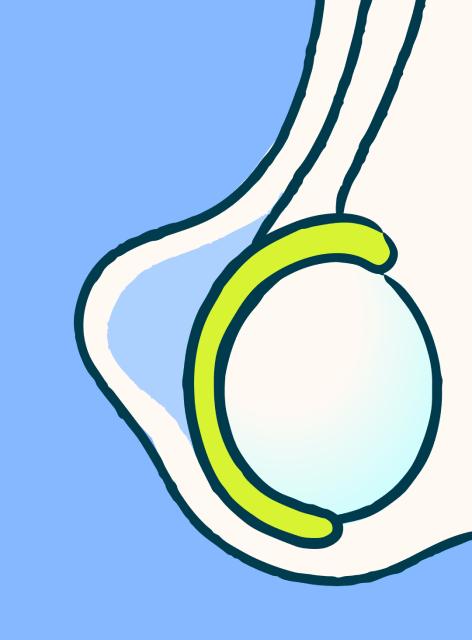
Adults’ testicles range from about 15 mL to 35 mL, about the size of a small chicken egg. It’s common for one testicle to be a bit bigger than the other and hang slightly lower. Regularly checking helps determine what’s normal for you.
Nick’s story
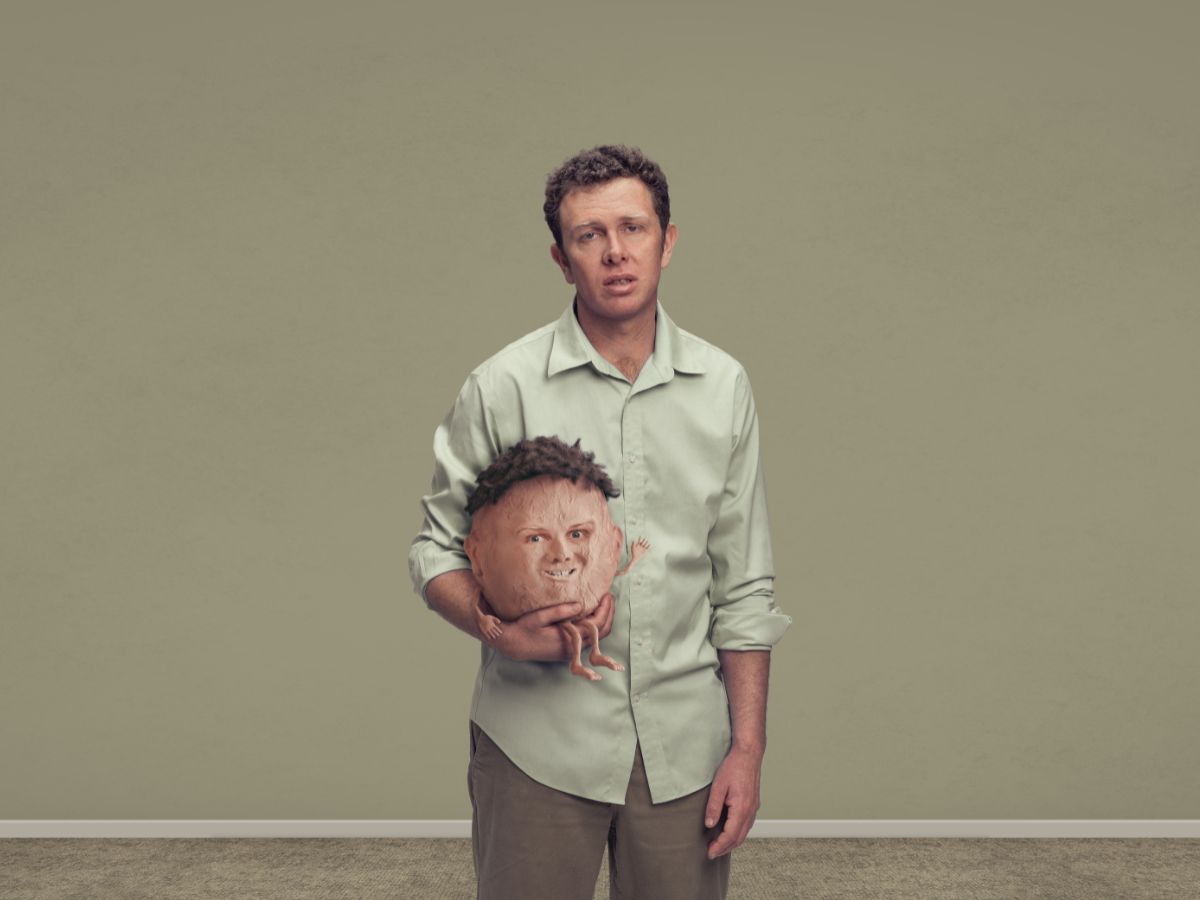
Comedian Nick Capper didn’t think much of a small, sensitive lump he found on his testicle while showering. But having time on his hands during the COVID lockdown and knowing his mate’s experience with testicular cancer, he decided to get it checked out and was diagnosed with the disease.
Other testicular health problems
Notice something different down there? A range of things can cause changes to the size, look and feel of your testicles but they should always be checked by a doctor. It’s better to have it checked early and be reassured it’s not serious, rather than put it off and worry, or not have it checked at all.

Community resources
Encourage the men in your community to keep testicular health top of mind with these downloadable resources for health services, clinics, schools and sports clubs.
Download resources
Take the test
Tell us your habits to help shape the way we talk about testicular health.
Never forget a check
We’ll give you the heads up to get handsy every few months, with a reminder to check your balls sent straight to your inbox.
Get your reminders